Silent linear switches have become increasingly popular among mechanical keyboard users who want smooth keystrokes with reduced operating noise. While considerations of housing materials, stem design, and dampening systems often dominate discussions in typing feel, springs remain a key contributor that is often overlooked.
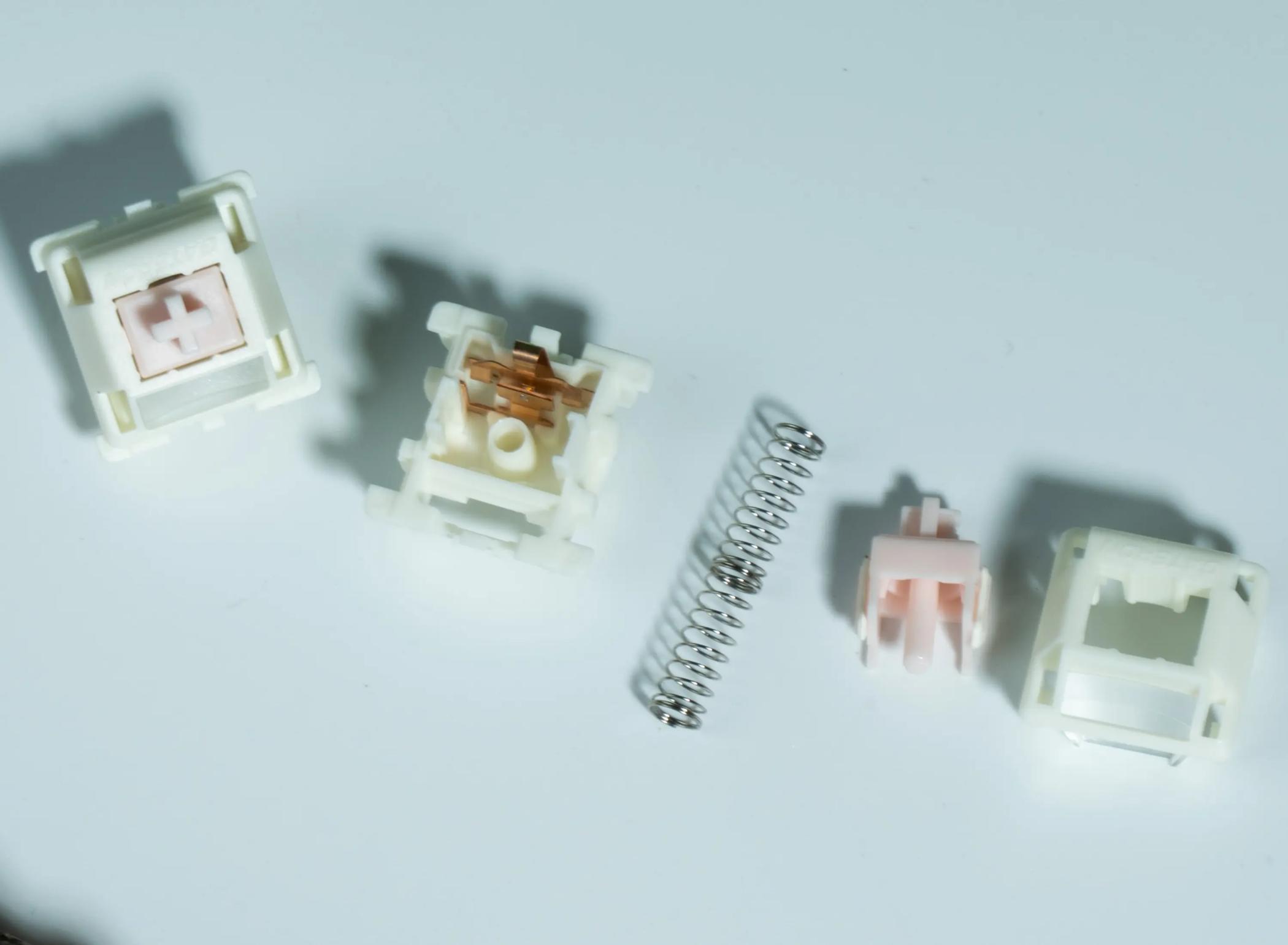
Particularly, double stage springs have garnered much attention because of their improvements to rebound speed and overall responsiveness. This design aids silent linear switches retain a crisp and pleasant typing feel in contrast to the traditional spring design, which is a quiet acoustic line at the cost of feel.
This article describes the GATERON Smoothie Pink Silent Switch in particular as an example of double stage spring application design to achieve the ideal typing experience.
Performance of Springs within Silent Linear Switches
Linear switches are designed for a smooth and continuous travel of the key with no tactile bump and no clicking noise. Silent linear switches achieve a quiet key travel and return with the use of a damping structure on the stem to absorb impact noise by bottoming out the key and on key return.
The irritating phenomenon of a key feeling soft and slow to return is often observed in silent switches. This is likely due to a lack of adequate spring tuning, and is a phenomenon that will be further compounded by the use of dampening materials, as they will add some movement resistance.
The effect of the spring is therefore paramount. The spring must strike the correct balance of a fast and stiff return, with a low and comfortable operating weight.
What Distinguishes a Double Stage Spring?
The design of a traditional mechanical spring creates a relatively linear force curve. A double stage spring however, employs two distinct sections of spring within a single component, allowing for the distribution of differing forces during the sections of compression and release.
1. Enhanced Beginning and Ending Force Curve
Typically, springs have a smooth beginning and end force in the first employed stage. In the second stage, as the spring compresses, the resistance builds, allowing for more control over the force profile, which can create a sufficient rebound, all while minimizing typing fatigue.
2. Faster Reset
In silent linear switches, damping material can impede the return stroke. The double stage spring releases the energy in a more controlled manner, allowing it to overcome the damping resistance and return to position much faster.
3. Effectively Tuned Springs
The two-stage design can offer a more consistent spring performance, and with proper lubrication, can eliminate the aural distractions of a spring and offer a more consistent keystroke over the course of the entire keyboard.
GATERON Smoothie Pink Silent Switch: Double Stage Spring in Practice
a
The GATERON Smoothie Pink Silent Switch features a double stage spring as part of a linear switch design that is fully dampened. The design combines a number of different features to focus on providing a meticulous, uncomplicated, and responsive typing experience.
1. Custom Double Stage Spring
With the double stage spring, a faster rebound is achieved due to the energetic return stroke. This switch aims to balance the characteristics of a silent linear switch with a responsive switch design.

2. Full POM Construction
The Smoothie Pink switch employs POM for the top and bottom housings of the switch. The use of POM for the stem as well as the housings aims for a consistent switch experience over the long term.
3. Factory Pre-Lubing
Factory lubrication is applied over the key contact areas to reduce the friction that occurs when a switch is in operation, as well as to mitigate the occurrence of spring resonance that can be annoying.
4. Upgraded Silent Rings
Damping rings are integrated in the switch in order to reduce the impact noise occurring from the bottom-ing out as well as the noise produced from the return of the switch to the initial position.
GATERON Smoothie Pink Silent Switch Specifications
|
Specification
|
Detail
|
|
Switch Type
|
Linear Silent
|
|
Operating Force
|
45 ± 15 gf
|
|
Pre-Travel
|
2.0 ± 0.6 mm
|
|
Total Travel
|
3.8 ± 0.2 mm
|
|
Spring Type
|
Double Stage Spring
|
|
Housing Material
|
POM Top & Bottom
|
|
Stem Material
|
POM with Silent Rings
|
|
Lubrication
|
Factory Pre-Lubed
|
|
LED Support
|
SMD Compatible, Detachable Light Guide
|
|
Pin Count
|
5-Pin
|
|
Rated Lifespan
|
60 Million Cycles
|
Why Double Stage Springs Matter in Silent Linear Switches
The biggest challenge for silent linear switches is balancing quiet operation and responsive feedback. The same damping materials that reduce noise can slightly reduce the speed of the return stroke.
A double stage spring addresses this challenge by modifying the force curve. During the compression phase, you can expect a smooth and controlled feeling. The release phase includes a higher restoring force which also aids in the rapid resetting of the stem.
The result of the quicker reset and rebound is more satisfying and rewarding to those who are strict about their keystrokes. Gamers and heavy typists will appreciate the lively and controlled response of the switch.
A Complete Approach to Silent Switch Engineering
The performance of a silent linear switch does not depend on the spring alone. The final typing experience is created through the combination of:
- Housing and stem materials
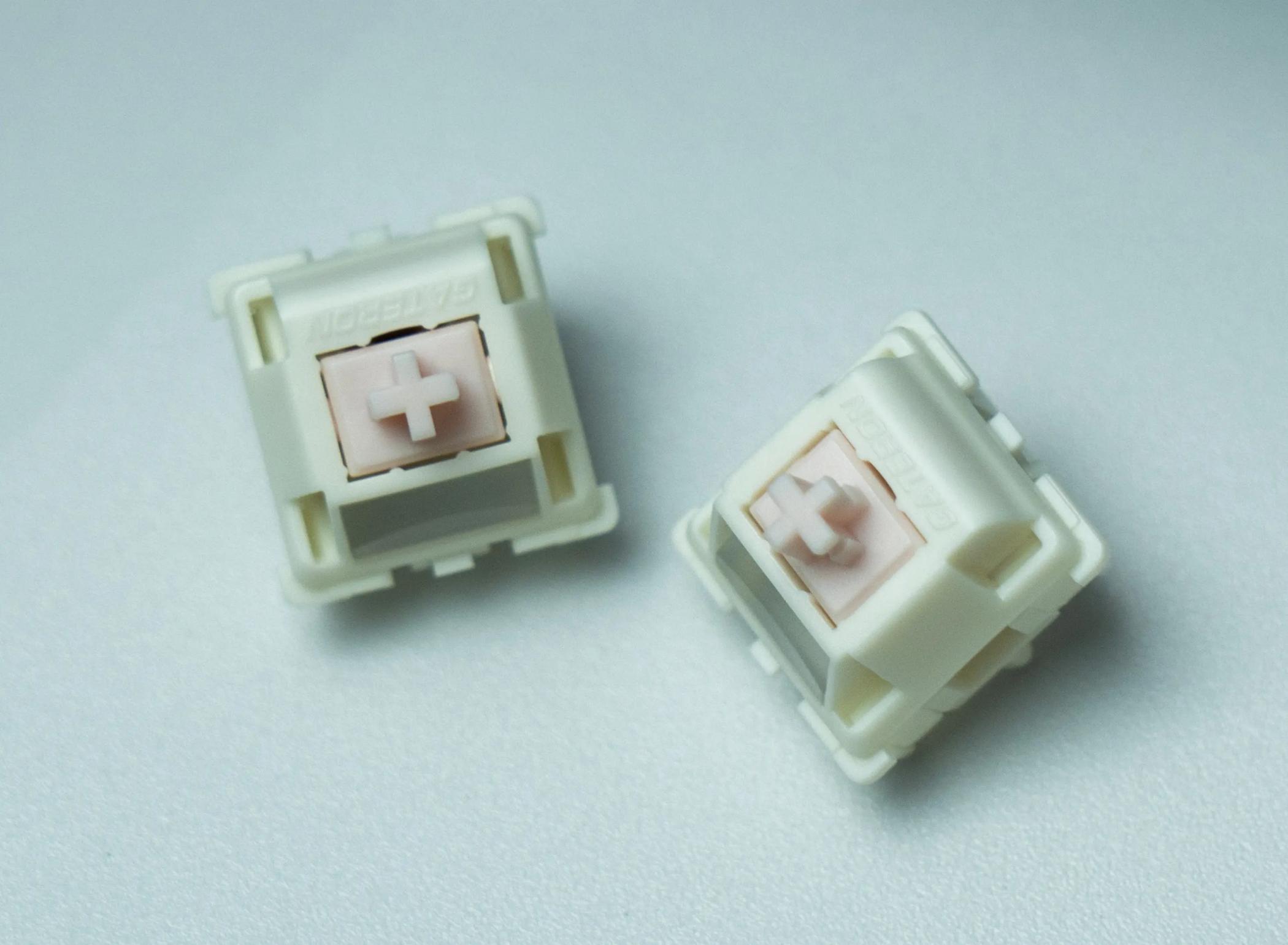
The GATERON Smoothie Pink Silent Switch demonstrates how these elements work together. Double stage springs enhance rebound performance, and the full POM construction along with the improved silent rings provide a combination of smoothness and acoustic control.
For those who want a quiet keyboard and a double stage spring, you can have a faster smoother more enjoyable typing experience with silent linear switches. This is a small yet impactful engineering advancement.
FAQs
Q1. What is a double stage spring in a mechanical switch?
A double stage spring consists of sections of two distinct spring types producing a balanced force curve and a faster rebound.
Q2. How does a double stage spring improve silent linear switches?
The double stage spring design addresses the sluggish feeling of silent damping materials, helping the stem return faster.
Q3. Are double stage springs heavier than regular springs?
Not really. The distinction between double stage and regular springs is primarily related to how the force is distributed along the spring.
Q4. Do double stage springs make switches louder?
No. When double stage springs are well designed and properly lubricated, there is no negative sound profile impact.
Q5. Why do silent linear switches need stronger rebound performance?
Due to the presence of damping materials which introduce resistive forces. Therefore the spring needs to be optimized to overcome the resistive forces to allow for a quick reset.



