Noise Reduction Keyboard Switches are not only about "being quiet"—they are about making a mechanical keyboard easier to live with in shared spaces, late-night work, and long typing sessions. At GATERON, we design silent tactile switches to help beginners keep the feedback they enjoy, while reducing the sharp, attention-grabbing sounds that often come with standard mechanical switches.
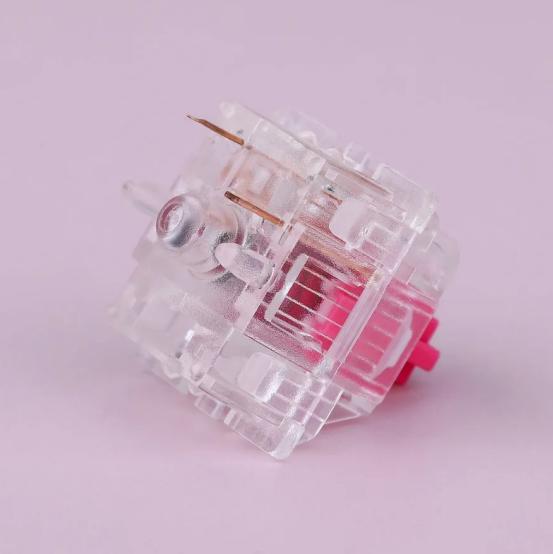
1) What "Noise Reduction Keyboard Switches" Really Means for Buyers
When people first hear "silent switch," they often imagine a keyboard that feels dull or mushy. In reality, Noise Reduction Keyboard Switches aim to lower the most noticeable noise sources while keeping the switch response clear and consistent.
Most mechanical switch noise comes from two places:
✓ Bottom-out sound (when the stem hits the housing at the end of the press)
✓ Top-out sound (when the stem returns and taps the top housing)
A silent tactile switch is built to soften these contact points and control vibration. The goal is practical: less distraction for others, less fatigue for you, and a cleaner typing sound that feels more "professional" in an office, classroom, studio, or home environment.
2) How Silent Tactile Works?
"Silent" and "tactile" can sound like opposites, but they solve different needs. Silence is about sound control. Tactile is about feel control.
The GATERON KS-6 Aliaz Silent Tactile Switch is designed to deliver a tactile bump you can feel during the press, while keeping the overall sound more restrained than typical tactile switches. For beginners, this matters because tactile feedback helps you type with rhythm and confidence—especially if you do not want to bottom out hard every time.
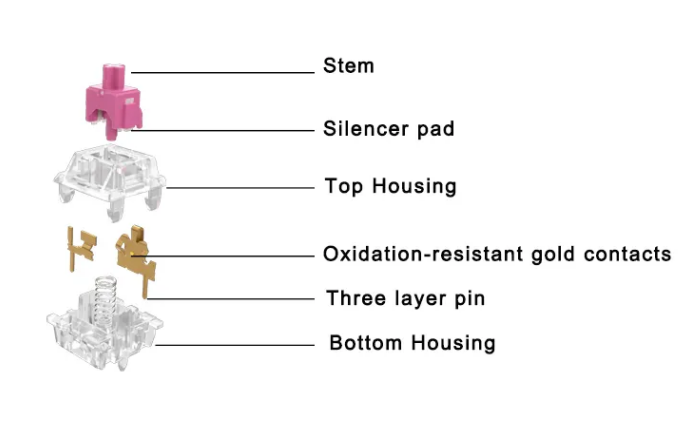
A helpful way to think about it:
- Tactile feedback tells your fingers "the key has actuated."
- Noise reduction keeps that moment from becoming a sharp "clack."
This is why Noise Reduction Keyboard Switches are often chosen for long-form writing, coding, and late-night gaming, where you still want a responsive, controlled feel.
3) A Real-World Spec Breakdown: What These Numbers Teach You
Specs look intimidating at first, but a few key numbers can explain almost everything about a switch’s behavior.
With KS-6 Aliaz Silent Tactile, the typical structure is:
✓ Pre-Travel: 2.0 ± 0.6 mm (the distance before actuation happens)
✓ Total Travel: 4.0 mm max (how far the switch can move in total)
✓ Operation Force Options: 60 / 70 / 80 / 100 gf (±15 gf)
What does that mean in practice?
Pre-travel (2.0 mm) is a major "learning" spec. It often influences how quickly the switch triggers. If you type lightly, you may prefer a lighter spring weight. If you type with more force or want extra resistance, a heavier spring can reduce accidental presses.
Total travel (up to 4.0 mm) is familiar to most standard MX-style switches. That means KS-6 Aliaz Silent Tactile keeps a classic typing depth, rather than forcing you into a short-travel feel.
And spring weight options (60–100 gf) give you control over the typing "personality" without changing your keyboard layout or keycaps. That range is one reason many beginners treat Noise Reduction Keyboard Switches as a practical upgrade path: you can start light and move heavier later as your preference becomes clearer.
4) Materials Matter: Why PC Housing and POM Stem Change the Experience
Many people talk about "sound tests," but sound is often the result of material choices. KS-6 Aliaz Silent Tactile uses:
- Top Housing: Transparent PC
- Bottom Housing: Transparent PC
- Stem: POM (with a pink stem design)
Transparent PC (polycarbonate) housing is valued for stable structure and a clean visual look, especially if you use lighting. A stable housing can also support a more consistent sound profile across the keyboard, because it helps reduce unpredictable vibration.
POM (polyoxymethylene) stems are widely used in switch design because they can support smooth travel and a controlled feel. For a beginner, this is a simple benefit: the keypress feels less scratchy, and the tactile event can feel more "defined" rather than noisy or chaotic.
In other words, the material stack is not just a spec sheet detail. It is one reason Noise Reduction Keyboard Switches can feel calm and controlled instead of hollow or sharp.
5) Durability and Consistency: The Value of a Black-Plated Spring
A switch can feel great on day one and drift over time if the internal components lose consistency. That is why the KS-6 Aliaz Silent Tactile uses a black-plated spring.
From a user perspective, the benefit is straightforward:
✓ More stable keystroke resistance over long-term use
✓ More consistent return force, especially noticeable during fast typing
✓ A cleaner, repeatable feel across multiple keys
For anyone building a full keyboard, consistency matters as much as silence. If one key feels lighter or slower than the others, your hands notice it immediately. This is also why we do not recommend choosing switches only by a short sound clip. A stable switch is easier to trust in daily work.
One more practical note: Pre-lubed: No. For many beginners, that is not a drawback—it is a choice. It means you can use the switch as-is, or lube it later if you want a deeper sound and smoother travel. If you enjoy tuning, a non-lubed baseline gives you more control.
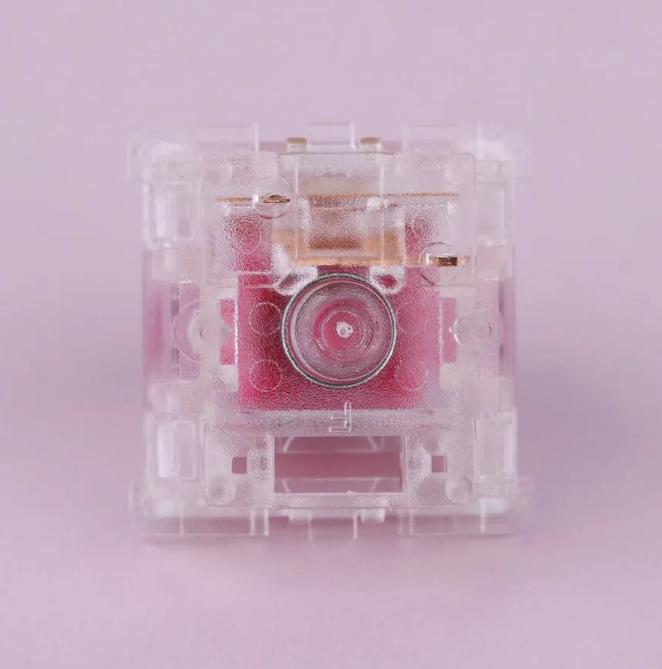
6) Compatibility and Setup: 5-Pin MX + LED Support, Made Simple
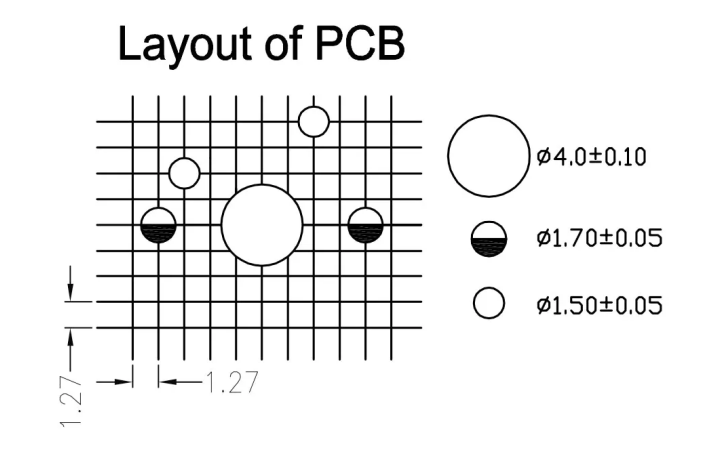
A silent switch should be easy to install, not a "special project." KS-6 Aliaz Silent Tactile is:
✓ Tactile, 5-pin PCB mount
✓ Compatible with 5-pin MX mechanical keyboards
✓ Supports SMD and Plug-In LED lighting
For beginners, 5-pin support is often a confidence booster. It typically improves stability on compatible PCBs and helps the switch sit firmly during installation. If you are building your first board, that stability can reduce frustration and improve alignment.
If you care about aesthetics, the transparent PC housing also pairs naturally with keyboard lighting. You do not need to compromise between a quiet build and a bright build.
CTA (Call To Action): If you are planning a quieter keyboard for office work, shared rooms, or late-night use, the GATERON KS-6 Aliaz Silent Tactile Switch is a strong starting point. Reach out to GATERON for switch recommendations based on your typing force, keyboard model, and lighting setup—so you can choose Noise Reduction Keyboard Switches that match your real daily habits, not just a trend.



